Managing Finances with a Small Income in Uganda
Living on a small income in Uganda can be challenging, but with careful planning and resourcefulness, it is possible to achieve financial stability and even save for the future. Empower Finance Uganda is here to provide you with practical strategies and tools to navigate your financial journey.
Prioritizing Expenses
The first step in managing a small income is to identify and prioritize essential expenses. This involves distinguishing between needs and wants and making informed decisions about where to allocate your limited funds.
- Housing: Explore affordable housing options in areas like Kireka or Bweyogerere. Consider sharing accommodation to reduce costs.
- Food: Plan your meals and cook at home to avoid expensive restaurant meals. Buy fresh produce from local markets like Nakasero Market, where prices are often lower.
- Transportation: Utilize public transportation such as taxis or buses, which are more cost-effective than private vehicles. Consider cycling or walking for short distances.
- Utilities: Conserve electricity and water to lower your utility bills. Use energy-efficient appliances and fix any leaks promptly.
- Education and Healthcare: Prioritize these essential needs and explore affordable options. Government healthcare facilities offer subsidized services.
Finding Additional Income Sources
Supplementing your income can significantly improve your financial situation. There are various opportunities in Uganda to earn extra money, even with limited resources.
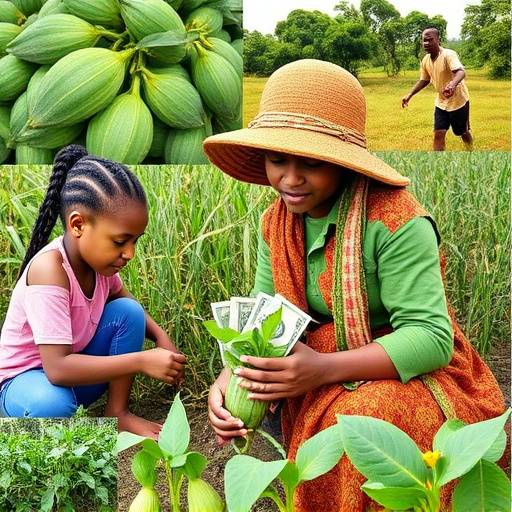
- Small-Scale Farming: Grow vegetables or raise poultry on a small plot of land. Sell your produce at local markets.
- Crafts and Handwork: Create and sell handmade crafts such as jewelry, baskets, or clothing. Participate in local craft fairs.
- Freelancing: Offer your skills online as a freelancer. Common freelance jobs include writing, graphic design, and virtual assistance.
- Tutoring: Provide tutoring services to students in your community. Focus on subjects where you have expertise.
- Mobile Money Agent: Become a mobile money agent and earn commissions on transactions. This is a popular and accessible income opportunity in Uganda.
- Repair Services: If you have skills in electronics repair or bicycle repair, offer your services to your community.
Budgeting Tips for Low-Income Earners
Effective budgeting is crucial for managing a small income. A well-structured budget helps you track your income and expenses, identify areas where you can save, and allocate funds towards your financial goals.
- Track Your Income and Expenses: Use a notebook or a mobile app to record every shilling you earn and spend.
- Create a Realistic Budget: Allocate your income to different expense categories based on your priorities.
- Set Financial Goals: Define your short-term and long-term financial goals, such as saving for education, buying land, or starting a business.
- Review Your Budget Regularly: Make adjustments to your budget as needed to reflect changes in your income or expenses.
- Avoid Unnecessary Debt: Be cautious about taking on debt, as interest payments can strain your budget.
Saving Strategies
Saving money, even in small amounts, can make a big difference over time. Develop a savings plan and make it a habit to set aside a portion of your income regularly.
- Set a Savings Goal: Determine how much you want to save and by when.
- Automate Your Savings: Set up automatic transfers from your account to a savings account.
- Reduce Unnecessary Expenses: Identify areas where you can cut back on spending and redirect those funds to savings.
- Look for High-Yield Savings Accounts: Compare interest rates offered by different banks and choose an account that maximizes your returns.
- Consider Group Savings (Village Savings and Loan Associations): Participate in local savings groups where members pool their resources and provide loans to each other. These groups are common throughout Uganda and offer a safe and accessible way to save and borrow money.

Case Study: Managing a Small Income in Kampala
Meet Aisha Nakato, a single mother living in Kampala. Aisha earns a modest income as a market vendor selling fruits and vegetables. To manage her finances effectively, Aisha follows a strict budget and prioritizes essential expenses such as rent, food, and school fees for her children. She also supplements her income by making and selling crafts during her free time. Through discipline and resourcefulness, Aisha has been able to save enough money to purchase a small plot of land and build a modest home for her family.
Available Resources
Empower Finance Uganda offers a range of resources to help you manage your finances effectively:
- Budgeting Templates: Download free budgeting templates to track your income and expenses.
- Financial Literacy Workshops: Attend our workshops to learn essential financial skills.
- One-on-One Financial Counseling: Receive personalized financial advice from our experienced counselors.
- Online Resources: Access articles, videos, and other resources on our website.
Contact us today at +256 947 184554 or visit our office at Plot 42, Nakawa Industrial Area, Kampala for more information. You can also reach us via email at info@empowerfinanceuganda.com.
Empowering You Towards Financial Freedom
Managing a small income requires discipline, planning, and resourcefulness. By prioritizing expenses, finding additional income sources, budgeting effectively, and saving consistently, you can take control of your finances and build a secure future for yourself and your family. Empower Finance Uganda is committed to providing you with the tools and support you need to succeed on your financial journey. Remember, every small step counts!
| Expense Category | Budgeted Amount | Actual Amount |
|---|---|---|
| Rent | 150,000 | 150,000 |
| Food | 100,000 | 95,000 |
| Transportation | 50,000 | 45,000 |
| Utilities | 30,000 | 25,000 |
| Education | 40,000 | 40,000 |
| Healthcare | 20,000 | 15,000 |
| Savings | 10,000 | 10,000 |
| Miscellaneous | 20,000 | 15,000 |
This table shows a sample monthly budget for a low-income earner in Uganda, demonstrating how expenses can be categorized and tracked.