Managing Your Daily Expenses in Uganda
Welcome to Empower Finance Uganda's guide to effectively managing your daily expenses. In Uganda, like anywhere else, understanding where your money goes is the first step towards financial freedom. This page provides practical advice and strategies to help you track, control, and reduce your spending, enabling you to save more and achieve your financial goals.
Identifying Needs vs. Wants
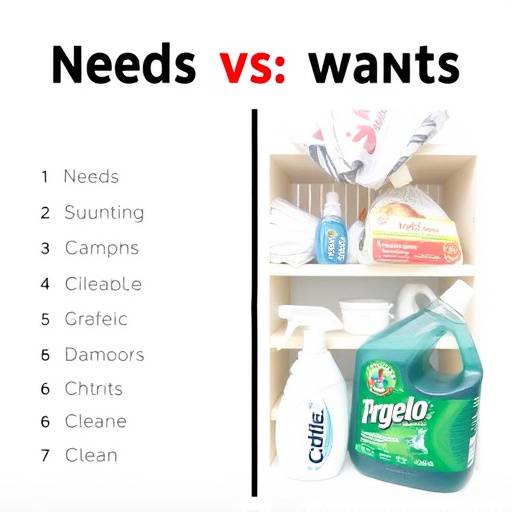
One of the most crucial aspects of expense management is differentiating between needs and wants. A need is something essential for survival and well-being, such as food, shelter, basic clothing, and transportation to work. A want , on the other hand, is something you desire but can live without, such as entertainment, eating out at fancy restaurants, or the latest gadgets. Carefully evaluating your spending habits and prioritizing needs over wants can significantly impact your financial health.
Consider these questions to help you differentiate between needs and wants:
- Is this item essential for my survival or well-being?
- Can I achieve the same purpose with a cheaper alternative?
- What are the long-term implications of buying this item?
- Am I buying this because I need it, or because I want to impress others?
Reducing Unnecessary Spending
Once you've identified your needs and wants, the next step is to reduce unnecessary spending. This involves finding areas where you can cut back without significantly affecting your quality of life. Here are some practical tips:
- Cook at home more often: Eating out can be expensive. Preparing your meals at home is considerably cheaper and healthier. Plan your meals in advance and buy groceries in bulk to save money. Consider growing some of your own vegetables if you have the space.
- Reduce transportation costs: Consider walking, cycling, or using public transport instead of driving a car. If you must drive, carpool with colleagues or friends to share the costs.
- Lower your utility bills: Turn off lights when you leave a room, use energy-efficient appliances, and avoid wasting water. Simple changes can add up to significant savings over time.
- Negotiate better deals: Don't be afraid to negotiate prices for services like internet, cable TV, and insurance. Shop around and compare prices from different providers to ensure you're getting the best value.
- Avoid impulse purchases: Before buying something, ask yourself if you really need it. Wait a day or two before making a purchase to avoid impulse buying.
- Find free or low-cost entertainment: Instead of going to the cinema or expensive clubs, explore free or low-cost entertainment options like visiting parks, attending community events, or borrowing books from the library.
Tracking Spending Habits
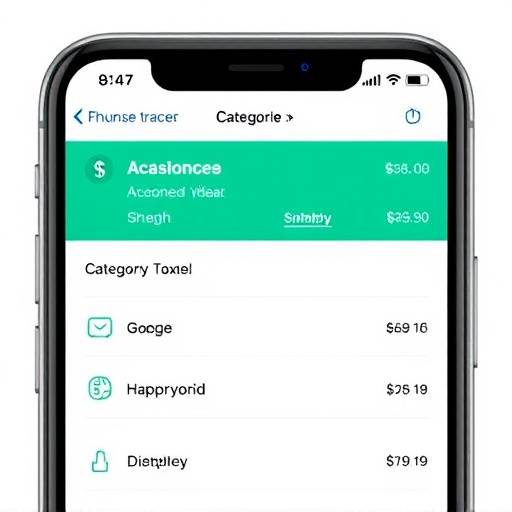
To effectively manage your expenses, it's crucial to track where your money is going. This will help you identify areas where you're overspending and make informed decisions about how to adjust your budget. There are several ways to track your spending:
- Use a budgeting app: Several budgeting apps are available that can help you track your spending, set budgets, and monitor your progress. Some popular options include Mint, YNAB (You Need A Budget), and Personal Capital.
- Create a spreadsheet: If you prefer a more manual approach, create a spreadsheet to record your income and expenses. Categorize your expenses to identify spending patterns.
- Keep receipts: Collect all your receipts and review them regularly to track your spending. This will help you identify any unexpected expenses or areas where you're overspending.
- Monitor your bank statements: Regularly review your bank statements to identify any unauthorized transactions or spending patterns that you may have missed.
Saving Money on Essentials
Even when it comes to essential expenses, there are ways to save money. Here are some tips for saving on essential items in Uganda:
- Shop around for the best prices: Compare prices at different markets and shops to find the best deals on groceries and other essential items.
- Buy in bulk: Buying certain items in bulk, such as rice, sugar, and cooking oil, can save you money in the long run.
- Look for discounts and promotions: Take advantage of discounts, promotions, and loyalty programs offered by retailers.
- Consider buying second-hand items: For items like clothing and furniture, consider buying second-hand items from local markets or online marketplaces.
- Barter or trade goods and services: Consider bartering or trading goods and services with friends, neighbors, or community members. This can help you save money and build relationships.
Expense Tracking Example
Here's an example of a simple expense table to guide you in tracking your spending:
| Date | Description | Category | Amount (UGX) |
|---|---|---|---|
| 2026-01-05 | Grocery shopping at Nakumatt | Food | 85,000 |
| 2026-01-08 | Taxi fare to work | Transportation | 15,000 |
| 2026-01-12 | Electricity bill | Utilities | 60,000 |
| 2026-01-15 | Mobile data recharge | Communication | 20,000 |
| 2026-01-20 | Lunch at a restaurant | Food | 30,000 |
By consistently tracking your expenses, you can identify trends and areas where you can make adjustments to save money.
By implementing these strategies, you can take control of your daily expenses and work towards a more secure financial future. Empower Finance Uganda is here to support you on your journey to financial freedom. For personalized financial advice, you can reach out to our financial advisors, like Ms. Aisha Nakato at aisha.nakato@empowerfinanceuganda.com or call us at 0312-555-0123. Our office is located at Plot 42, Kampala Road, Kampala, Uganda.
Continue your financial education by visiting our other pages: Budgeting , Mobile Payments , Family Needs , and Small Income .